

Why People Fall for It: The Psychology Behind Misinformation
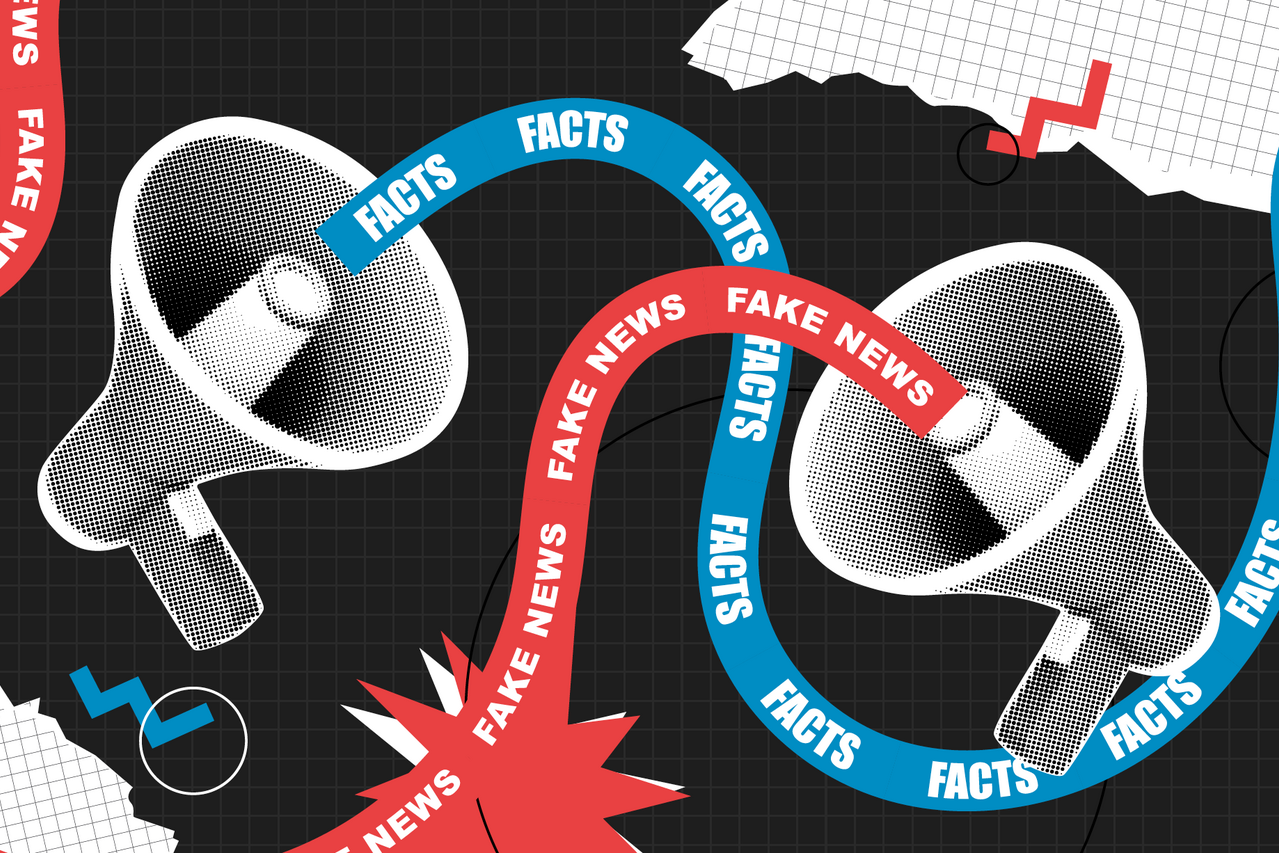
We’ve all had that moment where we read something shocking online and think, “Wait… could that be true?” Whether it’s a wild conspiracy or just a twisted version of the truth, false information has a sneaky way of pulling us in. But why?
The answer lies in how our brains work.
We’re Wired for Shortcuts
Humans are busy. Our brains are constantly looking for shortcuts — quick ways to make sense of the world without having to analyze every detail. Psychologists call these cognitive biases, and they’re perfectly normal… but sometimes they backfire.
One big one is confirmation bias: the tendency to believe things that already support what we think, and ignore anything that challenges it. So if you already distrust the government, you're more likely to believe a story about secret government mind control.
Fear Sells
Misinformation often triggers fear or anger, and those emotions stick. When you’re scared or furious, your critical thinking takes a backseat. That’s exactly why conspiracy theories and viral lies spread so quickly — they make us feel something intense.
The scarier or more outrageous the claim, the more likely we are to share it. That’s why headlines like “This will blow your mind!” or “They don’t want you to know this!” are everywhere online.
The Need for Control
When the world feels chaotic — like during a pandemic, economic crisis, or political upheaval — people crave order and explanations. Misinformation offers that. It gives people something to believe in, even if it’s wrong.
Believing there’s a secret plan behind the chaos feels better than believing there’s no plan at all.
Everyone Is Vulnerable
It’s easy to think, “That would never be me.” But even smart, educated people fall for misinformation. Why? Because it’s not about intelligence — it’s about emotion, identity, and trust.
In fact, many people who fall for conspiracies are motivated by a desire to protect others, feel connected, or make sense of a confusing world. It doesn’t make them evil. It makes them human.
What Helps?
-
Pause before reacting. When something triggers a strong emotion, stop and ask: Is this true? Who’s sharing this? What’s their goal?
-
Diversify your info diet. Just like with food, it’s good to get your news from multiple, balanced sources.
-
Talk, don’t mock. If someone you know falls for a false claim, try empathy instead of judgment. It works better in the long run.






 English
 Arabic
 French
 Spanish
 Deutsch
 Turkish
 Dutch
Dutch
 Italiano
 Russian
 Romaian
 Portuguese (Brazil)
 Greek
Greek