

Voting Is a Right, Not a Privilege With Extra Paperwork
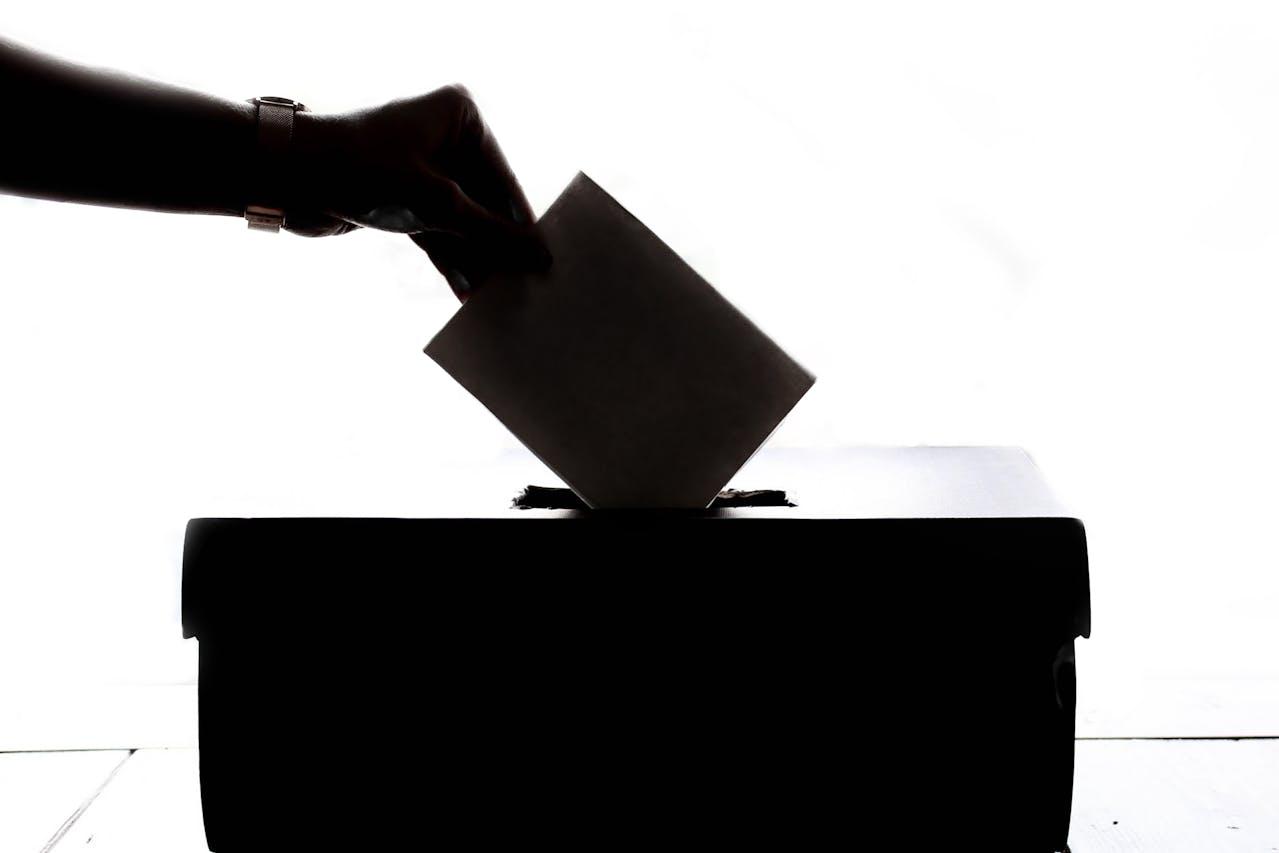
Why stricter ID requirements deserve more scrutiny, not less
Most people do not think twice when they are asked to show photo ID. It has become such a routine part of modern life that many of us barely notice it anymore. Show your ID at the doctor’s office. Show your ID for insurance. Show your ID for one service or another, and keep moving.
But at some point, it is worth stopping to ask a bigger question: when does this stop being a simple administrative habit and start becoming a barrier to basic rights?
When a “Simple Rule” Is Not So Simple
That is why the growing push for stricter photo ID requirements for voting should concern more people than it does. On the surface, it is often framed as a reasonable safeguard. After all, who could object to security? Who could oppose fairness? That framing sounds harmless enough. But the issue is not whether the idea sounds neat and simple in a slogan. The issue is what happens when the government places more legal conditions between citizens and one of the most important rights they have in a democracy.
Voting is not the same as signing up for a rewards card or collecting gambling perks at a casino. It is not a private business promotion. It is not a bonus feature of citizenship. It is a fundamental right. That distinction matters, and it should matter a lot.
Voting is not a perk, a promotion, or a privilege for the paperwork-ready. It is a right.
Too often, defenders of voter ID laws compare them to everyday situations where identification is also required, as though that settles the debate. But those comparisons leave out the most important part: most of those situations are optional. Voting is not. Or at least, it should not be treated as though it is optional for those who can easily produce the right paperwork while becoming harder for everyone else.
Small Barriers Still Matter
That is where the problem begins.
A requirement that seems minor to one person may be a genuine obstacle to another. An expired ID, a replacement fee, a transportation problem, confusing paperwork, time away from work, limited office hours, or a bureaucratic delay may not sound dramatic on their own. But rights are not only threatened by dramatic things. Sometimes they are weakened quietly, through small burdens that add up over time, especially for the elderly, the poor, the disabled, rural residents, or anyone already dealing with a system that is not built around convenience for them.
- Expired identification can block otherwise eligible voters
- Replacement fees and travel costs can create real hardship
- Limited office hours and paperwork delays can shut people out
- “Minor” requirements are rarely minor for everyone
That is why this issue deserves more honesty and less dismissal.
How Rights Get Weakened
When people raise concerns about voter ID laws, they are often accused of overreacting. They are told it is just a basic rule, just a common-sense measure, just one more small step. But history has shown over and over that freedom is rarely narrowed all at once. It usually happens in increments. One new rule is presented as harmless. Then another is added in the name of order, security, or efficiency. Each change seems manageable on its own. Each one is defended as practical. And each one moves the line just a little farther.
By the time people realize what has changed, the new normal is already in place.
Freedom is rarely lost all at once. More often, it is narrowed one rule at a time.
That is why we should be careful any time lawmakers make it harder rather than easier for citizens to participate in democracy. A healthy democratic system should aim to expand access while protecting integrity. It should encourage participation, not create more hoops to jump through. It should treat voting as something precious and protected, not as something people have to keep proving they deserve.
What a Free Country Should Protect
Americans talk often about freedom, sacrifice, and patriotism. We honor military service. We celebrate democracy. We tell ourselves that this country stands for liberty. If that is true, then the right to vote should not be treated casually. It should not be narrowed through unnecessary restrictions that fall hardest on the people least able to navigate them.
This is bigger than one rule or one election cycle. It is about the kind of country we want to be. Do we want a democracy that trusts its citizens and works to include them? Or one that keeps adding conditions, hurdles, and suspicion until participation becomes easier to praise in speeches than to exercise in real life?
That is the question more Americans should be asking.
If we truly care about freedom, then we should care just as much about keeping the path to voting open, fair, and accessible. We should be willing to question laws that create new barriers, even when those barriers are packaged as common sense. Because once a right becomes harder to use, it is already beginning to weaken.
And that is something no free society should accept without a fight.




 Arabic
 French
 Spanish
 Portuguese
 Deutsch
 Turkish
 Dutch
Dutch
 Italiano
 Russian
 Romaian
 Portuguese (Brazil)
 Greek
Greek