


 Help Center
 Vibeforge: End User Guide
WWW.404MEDIA.CO
A 'Self-Doxing' Rave Helps Trans People Stay Safe Online
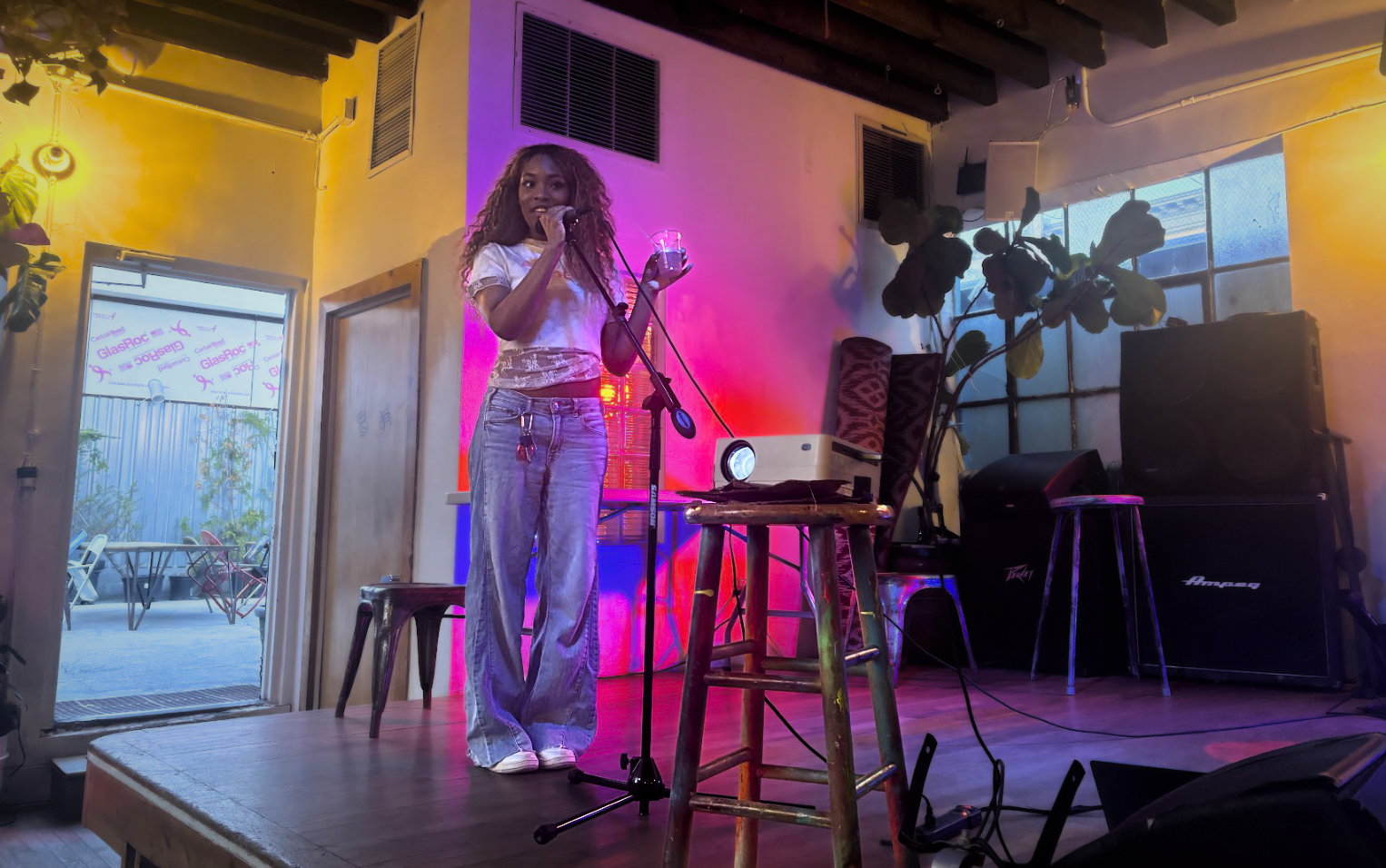
Its Trans Day of Visibility, and Im at an event space in the heart of New York Citys Commie Corridor to learn how to become less visible online.The crowd gathered at the aptly-named Trans Pecos in Ridgewood, Queens is here for 404: Deadname Not Found, a digital self-defense workshop which promises to teach trans people how to find and remove their sensitive personal information from the internet (and which also has no relation to this website). The vibe is giving OpSec rave happy hourattendees sip colorful drinks, groove to DJ sets, and huddle around laptops using online tools to track down their own digital footprints.The goal of the exercise is to find holes in your digital defenses, a practice cybersecurity folks call red-teaming. A slide deck guides participants through this self-doxing ritual, instructing them to use websites like IntelBase, PimEyes, and haveibeenpwned to find addresses, selfies, passwords, old names and aliases, and other personal info that might have been left sitting around on the open internet.It makes for great cocktail party banter. One participant raises their arms in triumph upon receiving a clean bill of health while checking if their information was leaked in a data breach. Others swivel laptop screens and compare notes on the various places their digital detritus had cropped up. In my case, I was lucky: I mostly found data brokers with incorrect information, a long-forgotten MySpace page, and a woman whose spam calls Ive been receiving for the past 10 years. Finally, participants are directed to various pages where they can request data to be removed, or sign up for discounted services like Kanary and DeleteMe that do the removals on your behalf.Behind the fun and light atmosphere, everyone here knows the unspoken reality that drives tonights activities: an unrelenting wave of discriminatory bills and executive orders that are rapidly demolishing trans rights across the US. Trans Visibility is a nice idea, but it turns out it really sucks to be visible in a fascist surveillance state where the highest levels of government are obsessively trying to destroy your ability to live.In this world of hyper-surveillance, I want to make sure all my stuff is safe and that no one is trying to harvest my data for anything, Anna, a workshop participant, told 404 Media. Anna asked to use a pseudonym to protect her identity, which is not surprising given that the goal of the workshop is to make it harder to be doxed. Especially now that theres lots of incentives for the federal government to get into that business, I just wanna make sure all of that is under wraps.Like the events name suggests, many attendees are looking for traces of their deadnames, which is how some trans folks refer to the names they were given pre-transition. Trans people face a disproportionately high risk of being doxed online, and deadnames and other sensitive info are frequently dug up on right-wing hate forums like KiwiFarms and social media sites like Elon Musks X, where harassment campaigns and hate speech are allowed and even encouraged.We have to protect ourselves, said Ryan, who also used a pseudonym. Its great to know how to find stuff like this, because you never know whats still out there.Imani Thompson, a digital security trainer who organized the event as part of her series Cache Me Outside, says she started hosting the free workshops at queer bars in Brooklyn a year ago, after noticing trans and intersex friends who were noticeably shaken by the opening salvos of the second Trump administration.I hadn't seen cybersecurity events that looked like they would attract or resonate with the crowds I felt needed this information the most, she told 404 Media. I wanted to make this fun and un-intimidating and doing digital security training at the bar is kind of silly and fun and gives us a built-in VPN and protection from sensitive convos being recorded.There are specific reasons many trans people are anxious about their personal data and online presence these days. For one, trans identities often dont fit neatly into government boxes, and the name and gender they are assigned at birth may or may not match their government-issued IDs. Recently, a new law in Kansas resulted in hundreds of trans people being told that their drivers licenses and IDs had been invalidated overnight, forcing them to obtain new documents that revert to the sex marker assigned at birth. Journalist Marissa Kabas later reported that the 300 trans IDs in question had been flagged and not immediately invalidated, but the goal of the law and its ensuing chaos was clear: requiring trans people to have IDs that dont match their appearance or lived reality, forcing them to out themselves and introducing friction and discrimination into their everyday lives.The same Kansas law also implemented the first state-level bathroom bounty, making it a crime for trans people to use appropriate bathrooms and changing rooms and promising rewards to random passersby who feel aggrieved by someone they think might be trans. Lawmakers in Idaho have passed an even harsher bill, which would charge repeat trans bathroom-users with a felony and up to 5 years of jail time. These bills threaten not only trans people, but anyone whose appearance might fall outside of someones normative expectations of male and female. And they are especially dangerous at a time when facial recognition can near-instantly identify someone with a quick search.Thompson also worries about the information that queer folks can reveal while asking for help online. Trans people experience unemployment, housing insecurity, and violence at exponentially higher rates than cis people, and its not uncommon to see Gofundme pages and Venmo accounts flooding social media feeds. These posts will sometimes include personal details like a persons name, face, transition status, location, immigration status, and even how much they have in their bank accountgreat for getting donations, but not so great for the doxable breadcrumbs they leave behind.You Cant Post Your Way Out of FascismAuthoritarians and tech CEOs now share the same goal: to keep us locked in an eternal doomscroll instead of organizing against them, Janus Rose writes.404 MediaJanus RoseI think the risk is tenfold for the dolls and Black trans siblings because of disproportionate scrutiny in light of these bathroom bills and also how we do mutual aid, said Thompson. Whenever I see a mutual aid request being reposted or processed it makes me nervous, because we're basically doxing our most vulnerable friends. To reduce risk, she recommends people take down mutual aid posts as soon as needs are met and set their Venmo activity to private. I feel like the intention in listing off how all these systems of oppression impact our friends are meant to create a sense of urgency and care, but then months later it's still floating around and is a goldmine for someone who wants to claim they were made to feel unsafe in a bathroom so they can claim $3k or further an agenda.The privacy attitudes on display at the event contrast with the dominant media narratives about trans communities a decade ago. Fresh off the Supreme Court victory in Obergefell vs. Hodges that legalized same-sex marriage, many at that time were convinced that trans visibility would pave the way to equality, as glossy magazine covers featuring stars like Laverne Cox declared a Trans Tipping Point. But while conditions for some trans people marginally improved, we all know what happened next: a wave of reactionary anti-trans state laws, culminating in the re-election of Donald Trump and a series of executive orders aimed at destroying trans peoples access to healthcare, sports, bathroomsessentially the ability to live a normal life.At the same time, protection cant be a retreat back into the closet. Its still important for trans voices to be heard in online spaces, said Anna. Its not like I wanna go into the shadows or anything. I just dont want people to know my personal data, my personal records, any of that.Being Black, I also understand the distinction between visibility and hypervisibility and the precarity and lack of agency that hypervisibility creates, said Thompson. It's tricky to find language around digital security that doesn't imply queerness is something to hide or a shameful thing, because of course it's not. I think having agency and purpose in how we can show up online and interact with tech as well as literacy around how technology and surveillance operates makes us better equipped.Janus Rose is New York City-based journalist, educator and artist whose work explores the impacts of A.I. and technology on activists and marginalized communities. Previously a senior editor atVICE, she has been published in digital and print outlets includinge-Flux Journal,DAZED Magazine,The New Yorker, andAl Jazeera.
0 Yorumlar
0 hisse senetleri
3 Views
0 önizleme

 English
 Arabic
 French
 Spanish
 Portuguese
 Deutsch
 Dutch
Dutch
 Italiano
 Russian
 Romaian
 Portuguese (Brazil)
 Greek
Greek