Congress Eyes Nationwide Limits on Trans Youth Health Care as Advocates Sound the Alarm
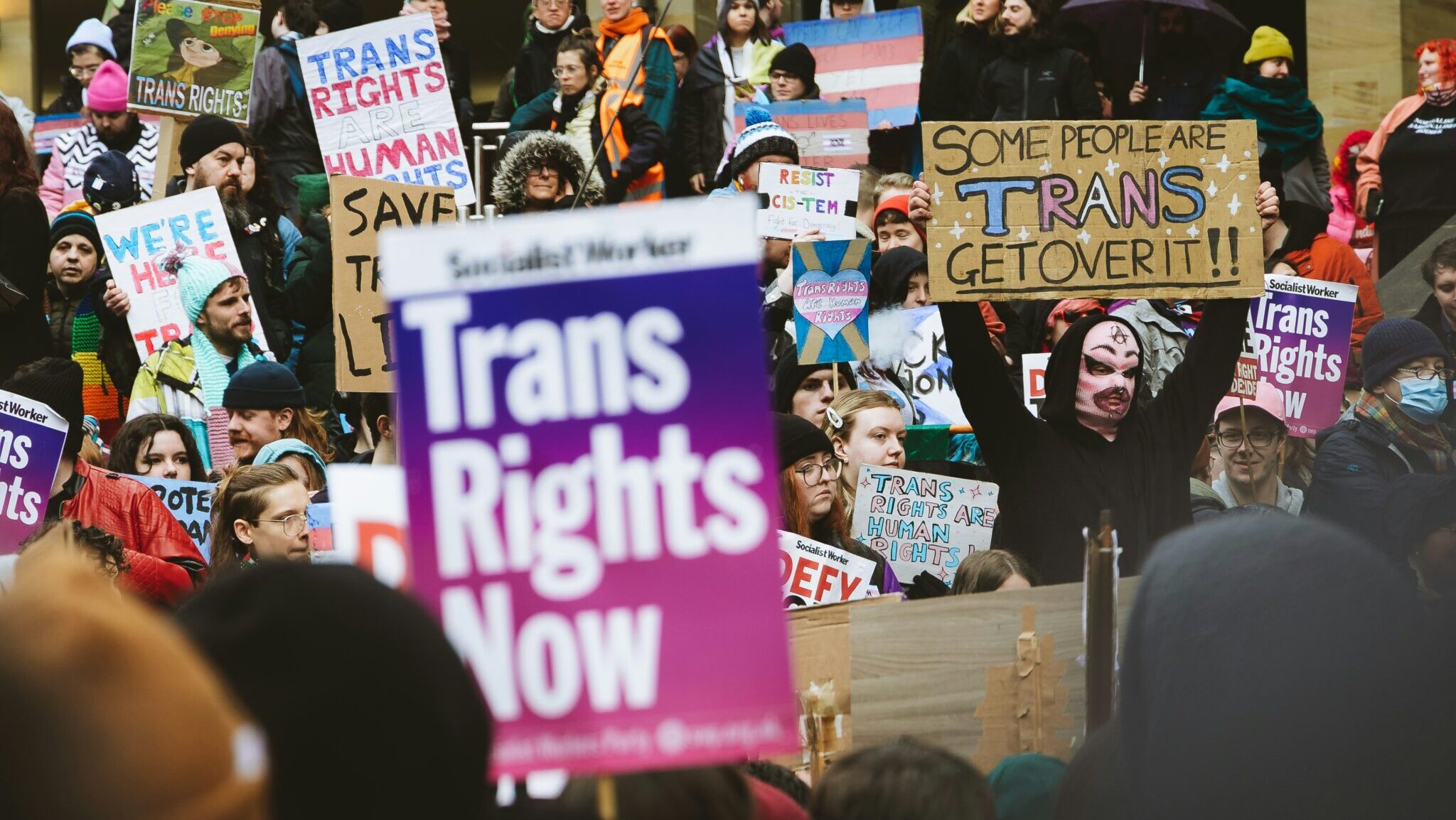
As lawmakers in Washington debate new federal legislation, access to health care for transgender and nonbinary young people is once again under threat. Several proposals moving through Congress could sharply limit, or outright prohibit, best-practice medical care for trans youth across the country, even in states where that care remains legal.At the center of the discussion is a bill known as the Protect Childrens Innocence Act, one of multiple measures that would place federal restrictions on gender-affirming care. If passed, these efforts could override existing protections and expand the reach of policies already enacted in 26 states that ban or restrict this type of care for minors.Advocates say the stakes are high, and the consequences personal.Advocates Push Back on Federal OverreachRodrigo Heng-Lehtinen, senior vice president of public engagement campaigns at The Trevor Project, issued a statement condemning the proposed legislation, framing it as a dangerous intrusion into private medical decisions.Health care decisions belong with patients, their families, and qualified medical providers, Heng-Lehtinen said. They should not be dictated by politicians through broad federal mandates that ignore individual needs.He warned that congressional efforts to restrict care risk undoing decades of medical consensus and research. Gender-affirming care, he noted, is not new and has long been supported by major medical and mental health organizations in the United States.Mental Health Risks at the Center of the DebateMuch of the concern voiced by LGBTQ+ advocates is rooted in data. Research from The Trevor Project consistently shows that access to gender-affirming care is linked to improved mental health outcomes for transgender and nonbinary young people.A 2022 peer-reviewed study published in The Journal of Adolescent Health found that youth who received gender-affirming hormone therapy reported significantly lower rates of depression and reduced suicide risk compared to those who did not have access.More recent findings from The Trevor Projects 2024 U.S. National Survey on the Mental Health of LGBTQ+ Young People underscore the urgency. Nearly half of transgender and nonbinary respondents said they had seriously considered attempting suicide within the past year. An overwhelming majority of LGBTQ+ youth reported that current political debates negatively affected their well-being.Among trans and nonbinary youth surveyed, a small percentage reported using puberty blockers or hormone therapy. Still, more than half of those receiving hormone care said they feared losing access due to shifting laws.Families Feel the PressureBeyond individual health outcomes, political pressure is reshaping family decisions. Almost half of transgender and nonbinary youth surveyed said their families had considered relocating to another state because of hostile legislation.Heng-Lehtinen emphasized that these debates are not abstract. Restricting this care puts young lives at risk, he said. Its not exaggeration to say the impact could be devastating in communities nationwide.Education and Support Still MatterWhile federal lawmakers weigh next steps, organizations like The Trevor Project continue to focus on education and support. Resources such as its Guide to Being an Ally to Transgender and Nonbinary Young People aim to help families better understand how to show up for trans youth with care and respect.The organization has also spotlighted personal stories through projects like Learn with Love: Haylin & Mat, a short film documenting a mothers journey to supporting her transgender son while navigating health care decisions.As the political landscape grows more uncertain, advocates argue that one principle should remain clear: young people deserve access to care that helps them survive, thrive, and feel supported, not policies that push them further to the margins.Source



 Help Center

 Arabic
 French
 Spanish
 Portuguese
 Deutsch
 Turkish
 Dutch
Dutch
 Italiano
 Russian
 Romaian
 Portuguese (Brazil)
 Greek
Greek